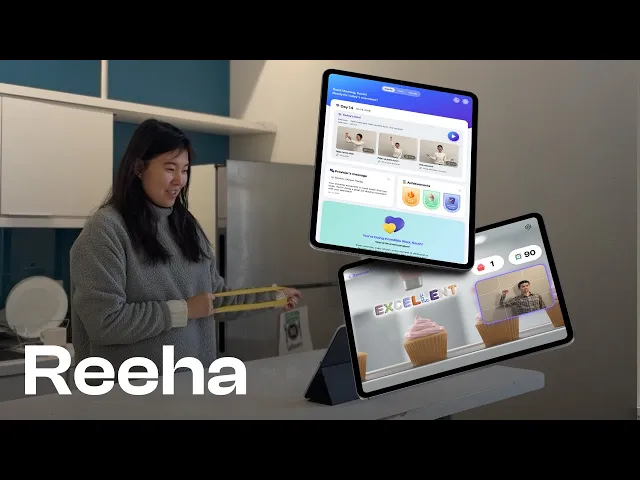
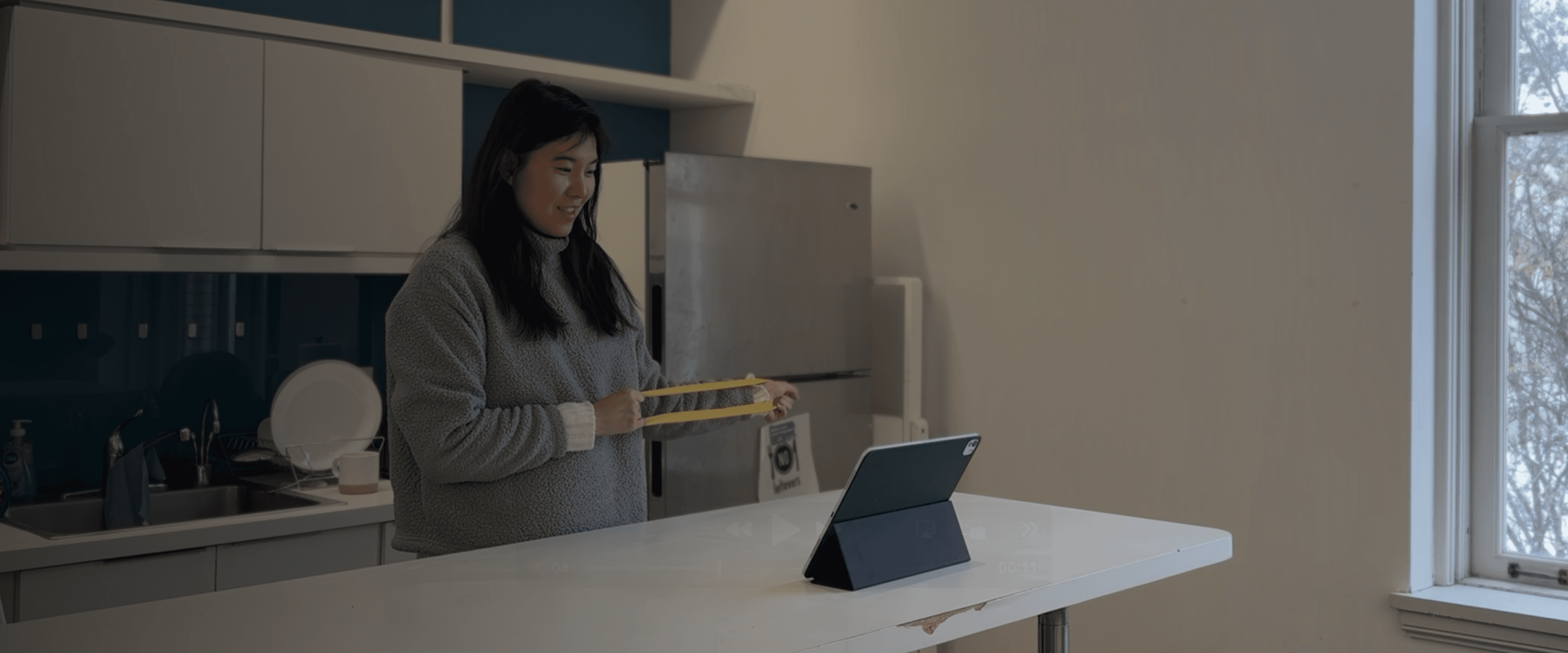
Reeha
Reeha
Your daily rehab companion
Your daily rehab companion
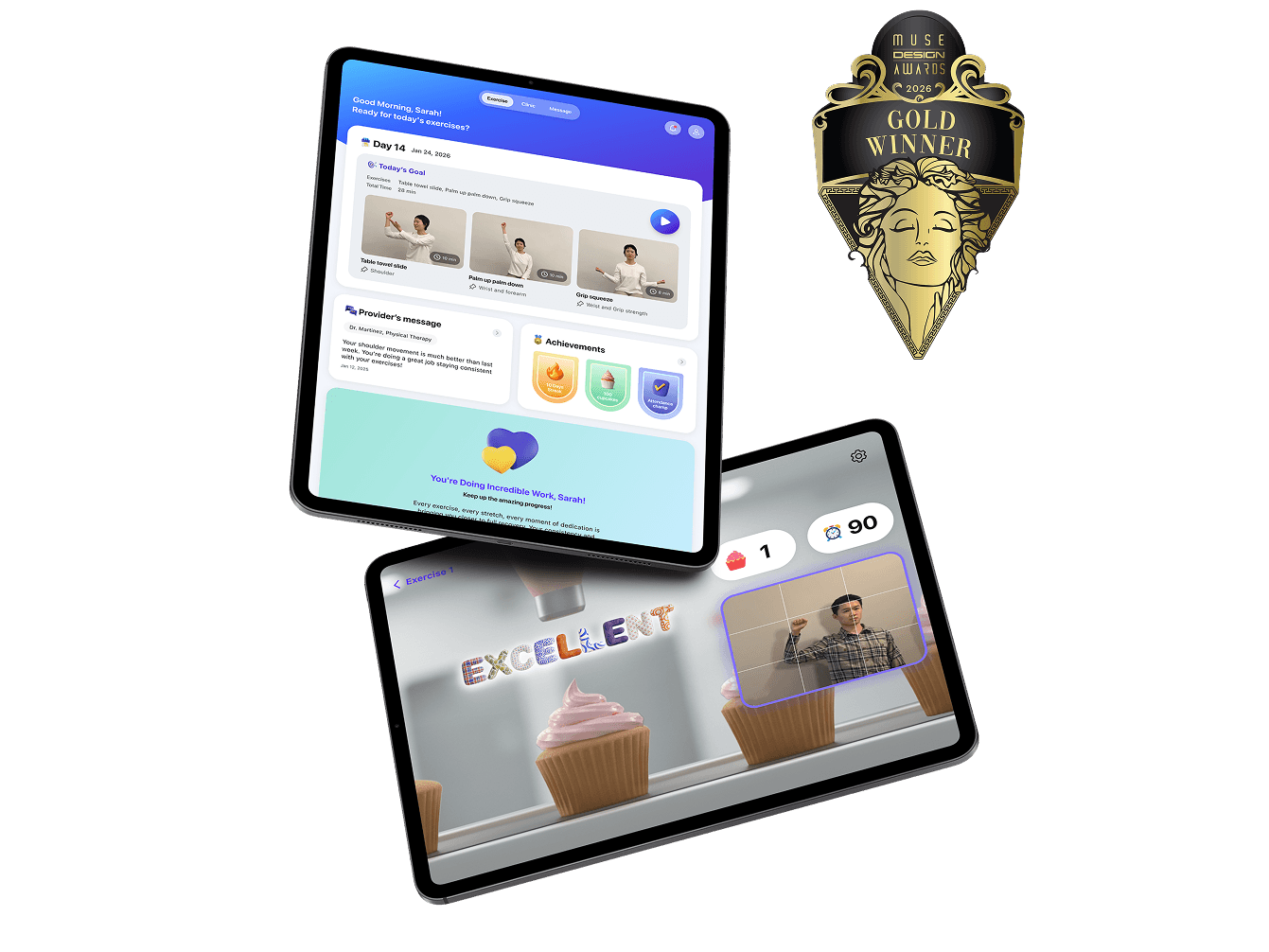
Reeha
Your daily rehab companion
Team
2025 fall (6 weeks)
Team: Evan Zhang, Yaezi Lee, Sue Hong
2025 fall (6 weeks)
Team: Evan Zhang, Yaezi Lee, Sue Hong
Project Scope
Design Research
Service Design
UX/UI Design
Prototyping
Design Research
Service Design
UX/UI Design
Prototyping
Focus Areas
#healthcare
#motion-tracking
#rehabilitation
#gamification
My Role & Contribution
My Role & Contribution
Cross-functional Product designer & Project Driver
Led core UX design and user research.
Independently developed and coded interactive prototypes.
Partly contributed to UI design.
Coordinated project timeline and cross-team collaboration.
Cross-functional Product designer & Project Driver
Led core UX design and user research.
Independently developed and coded interactive prototypes.
Partly contributed to UI design.
Coordinated project timeline and cross-team collaboration.
Reeha is a gamified home rehab system!
Reeha is a gamified home rehab system!
Reeha is a gamified home rehab system!
Problem Statement
Problem Statement
Home rehabilitation is an important step for patients with upper limb injury; but repetitive tasks, slow improvements, and limited provider guidance reduce their motivations and hinders recovery.
Home rehabilitation is an important step for patients with upper limb injury; but repetitive tasks, slow improvements, and limited provider guidance reduce their motivations and hinders recovery.
Solution
Reeha is a platform that makes home rehabilitation practices motivating and less mundane by integrating rehabilitations into gamified activities with interactive visual and audio feedback.
Reeha is a platform that makes home rehabilitation practices motivating and less mundane by integrating rehabilitations into gamified activities with interactive visual and audio feedback.
Demo Video
Demo Video
Your Daily Rehab Companion
Your Daily Rehab Companion
Your Daily Rehab Companion
Onboarding
Onboarding
The home page focuses on momentum. It reduces friction at the start of each day and keeps users oriented, motivated, and engaged throughout their rehabilitation journey.
The home page focuses on momentum. It reduces friction at the start of each day and keeps users oriented, motivated, and engaged throughout their rehabilitation journey.
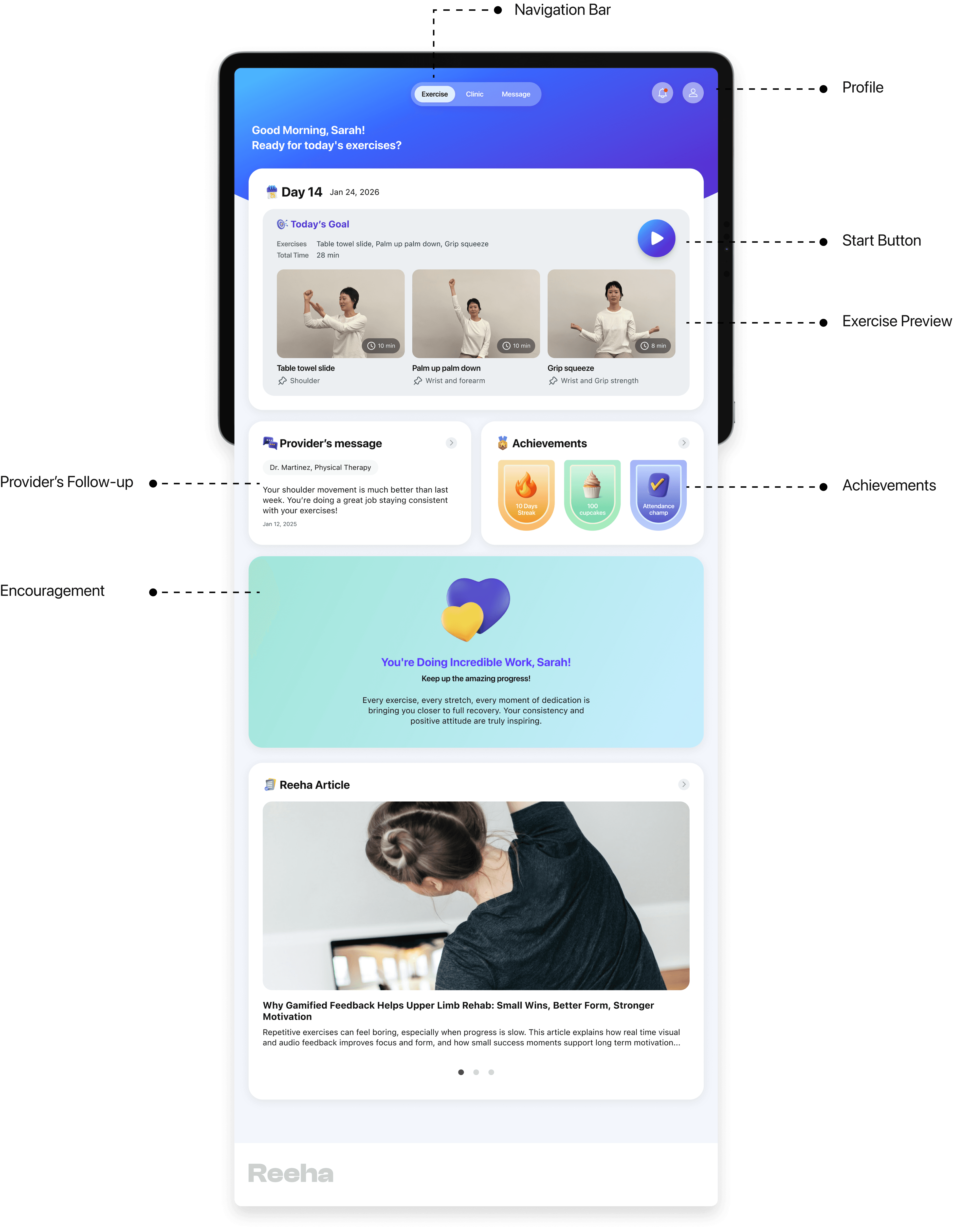
Start today’s exercise
Start today’s exercise
This step gives users control over how they engage with training, supporting both focus-driven and play-driven rehabilitation without adding friction.
This step gives users control over how they engage with training, supporting both focus-driven and play-driven rehabilitation without adding friction.
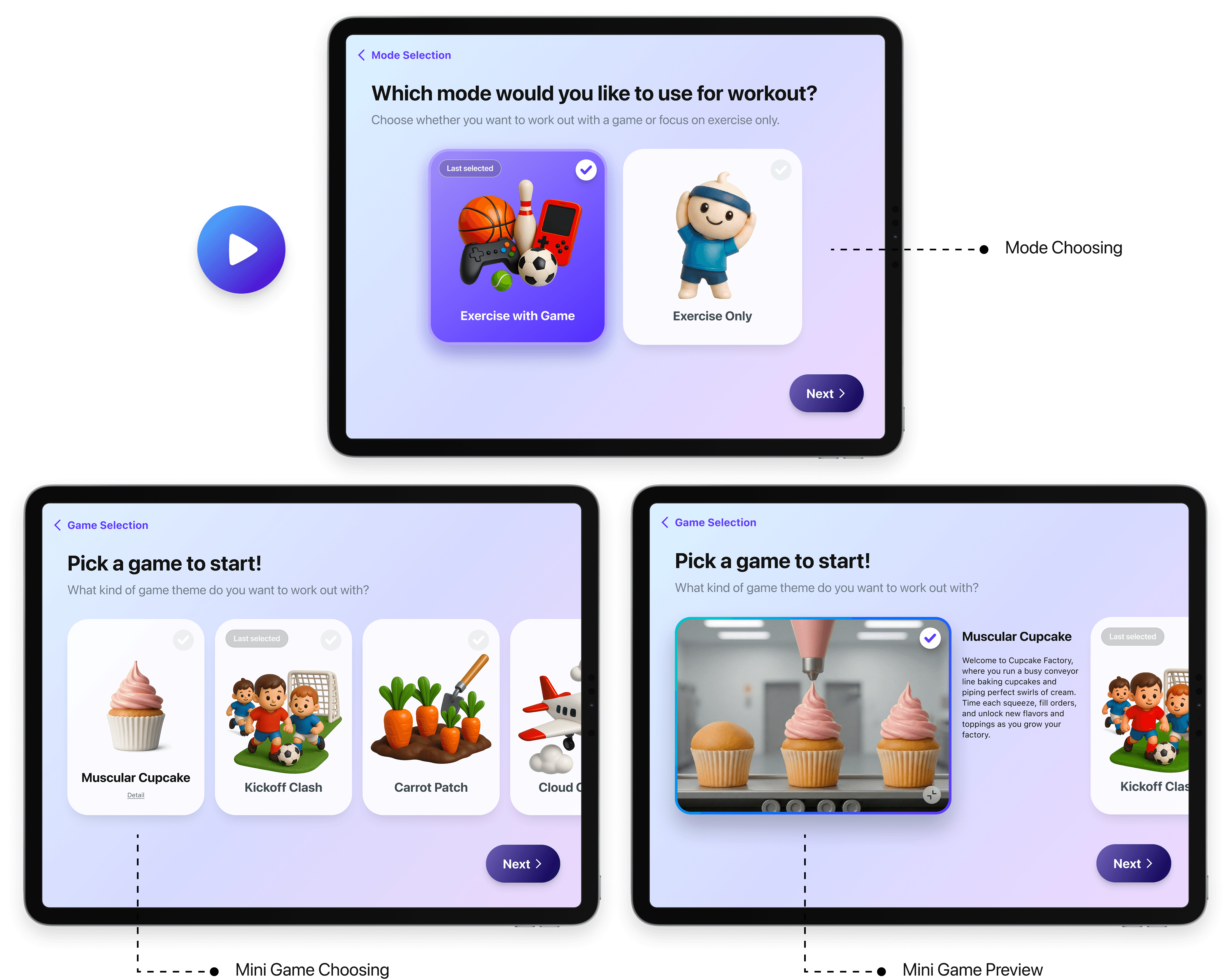
Tutorial
Tutorial
The tutorial aligns movement and interaction, helping users understand how physical actions translate into progress within the experience.
The tutorial aligns movement and interaction, helping users understand how physical actions translate into progress within the experience.
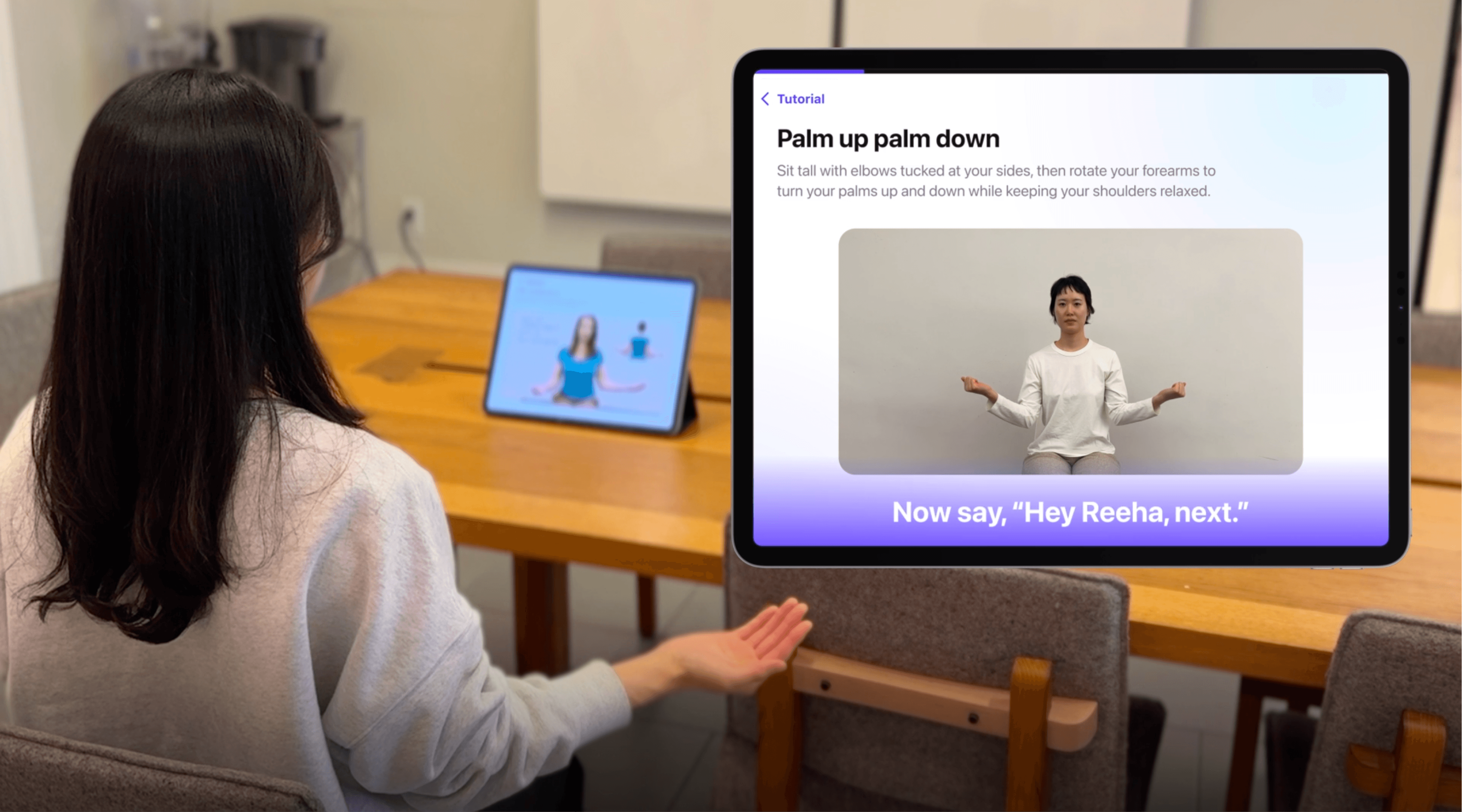
Exercising through Playing
Exercising through Playing
Exercising through Playing
The gameplay stage closes the loop between movement and outcome, turning physical effort into immediate, visible feedback.
The gameplay stage closes the loop between movement and outcome, turning physical effort into immediate, visible feedback.
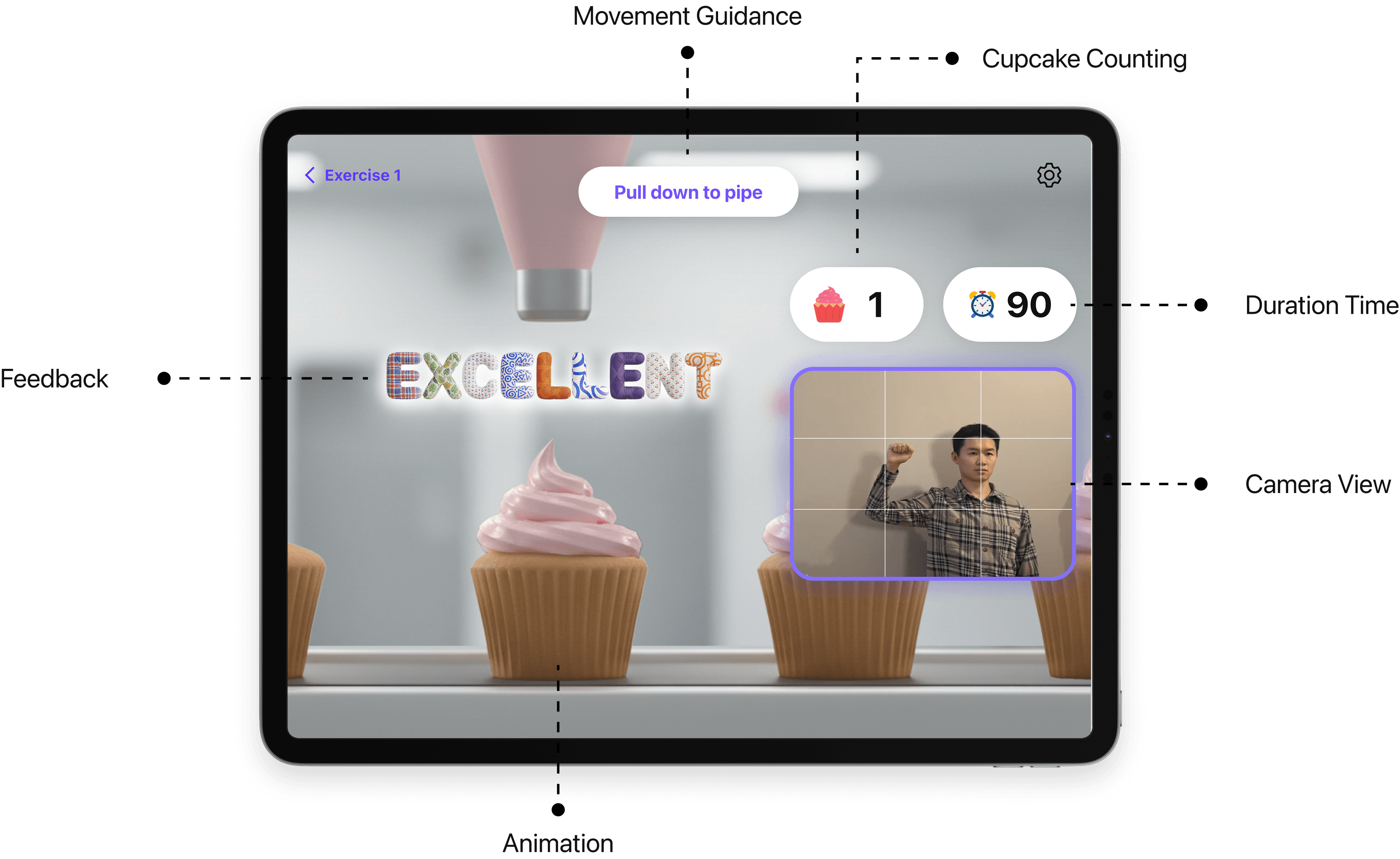
Real-time Feedback
Real-time Feedback
This direct link between movement and animation makes therapy feel more engaging and easier to understand than numbers or charts.
This direct link between movement and animation makes therapy feel more engaging and easier to understand than numbers or charts.
Prototyping Video: https://youtu.be/IcIf55XY4F4
Exercise Reports
Exercise Reports
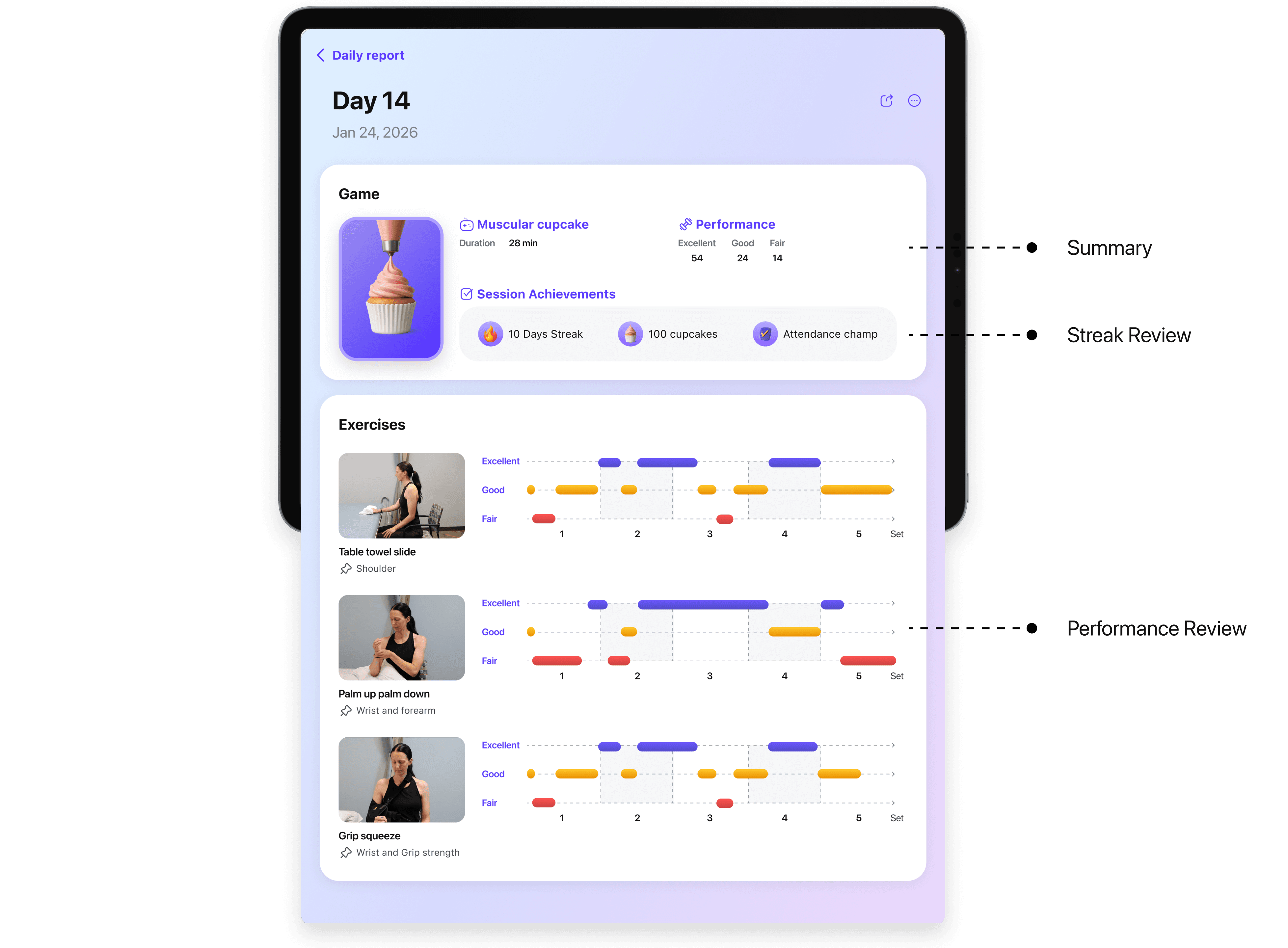
The exercise report makes progress visible, helping users reflect on consistency and improvement across each day.
The exercise report makes progress visible, helping users reflect on consistency and improvement across each day.
Exercise Reports
Exercise Reports
The exercise report makes progress visible, helping users reflect on consistency and improvement across each day.
The exercise report makes progress visible, helping users reflect on consistency and improvement across each day.
Reeha Is Grounded in Real Patient Needs
Research
Reeha Is Grounded in a Real Patient Need
Stakeholder Map
Stakeholder Map
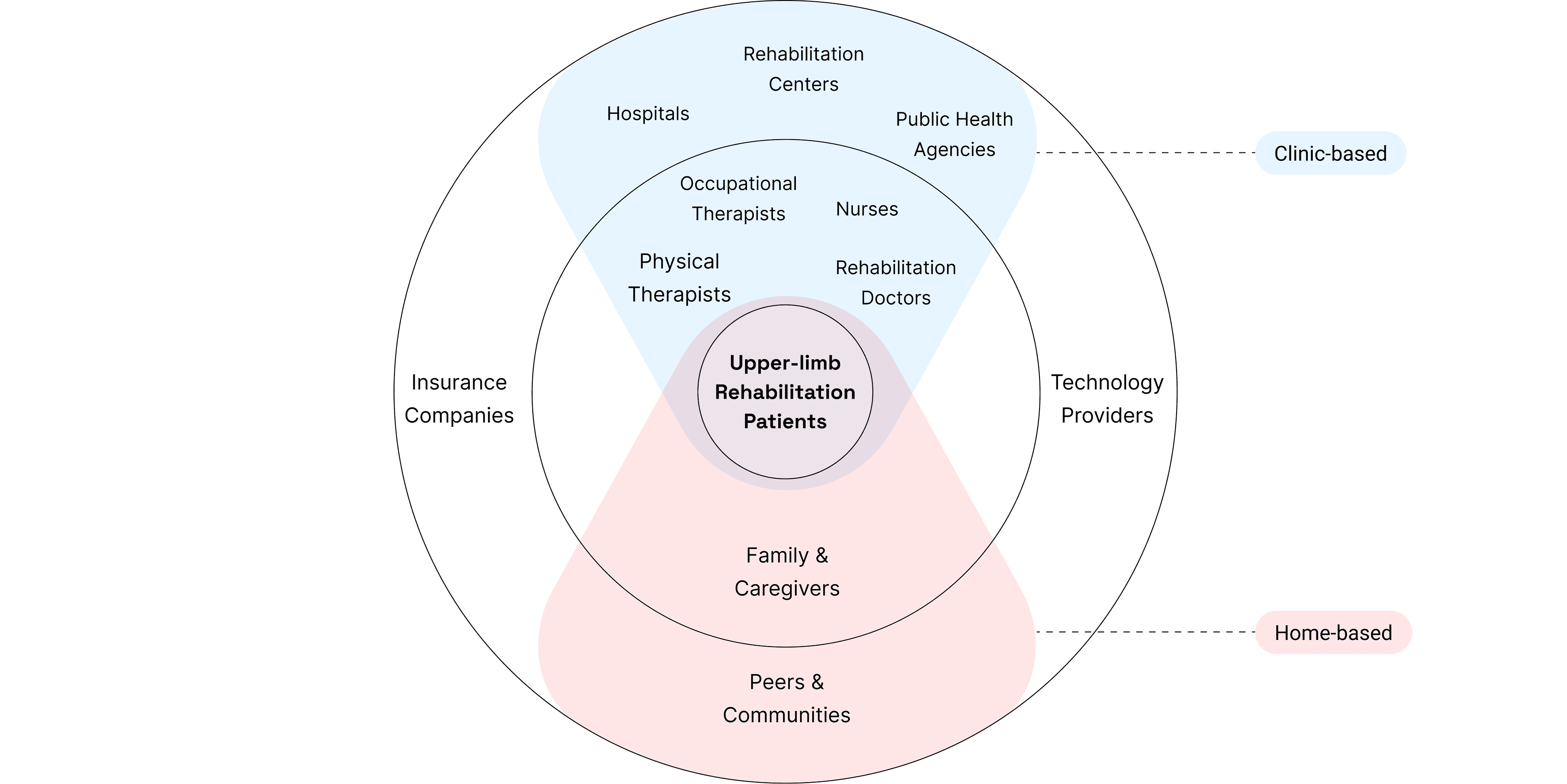
Who is our primary and secondary target users?
Who is our primary and secondary target users?
Our team mapped stakeholders to define scope and target users, focusing on adults aged 25 to 60 recovering from upper-limb injuries at home or had past experience. The map also helped us identify essential clinical perspectives from occupational therapists, physical therapists, and physicians to guide product decisions and ensure clinical relevance.
Our team mapped stakeholders to define scope and target users, focusing on adults aged 25 to 60 recovering from upper-limb injuries at home or had past experience. The map also helped us identify essential clinical perspectives from occupational therapists, physical therapists, and physicians to guide product decisions and ensure clinical relevance.
User / Expert Interview
User / Expert Interview
Understanding patient pain points and needs
Understanding patient pain points and needs
Through 8 user interviews and 4 expert interviews, we identified monotony, confusion, and disconnection from clinical guidance as key barriers to sustained home rehabilitation. Patients don’t just want to perform exercises correctly, they want to feel supported, understood, and able to see their progress over time.
Through 8 user interviews and 4 expert interviews, we identified monotony, confusion, and disconnection from clinical guidance as key barriers to sustained home rehabilitation. Patients don’t just want to perform exercises correctly, they want to feel supported, understood, and able to see their progress over time.
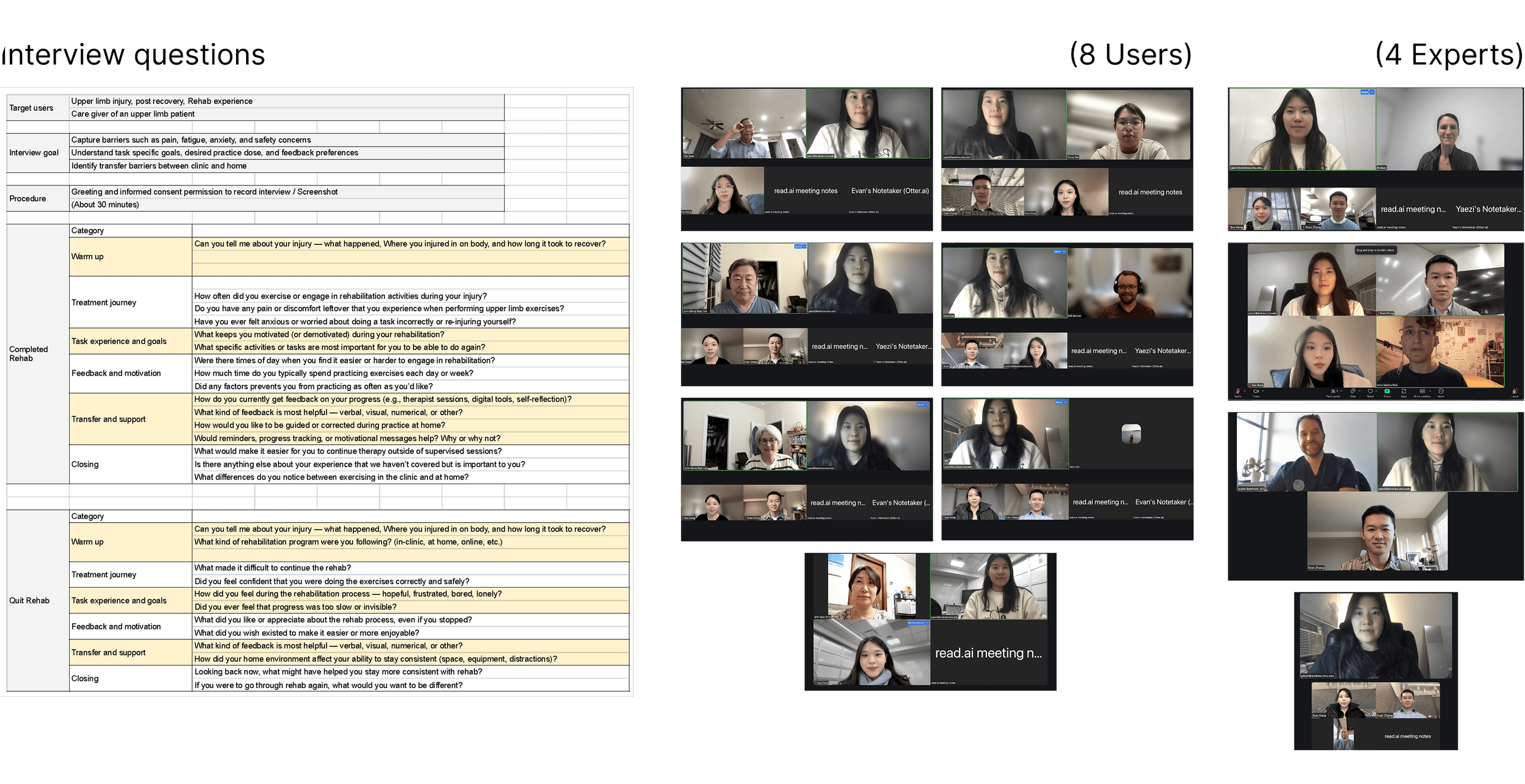
“A study showed that a year after discharge, only about 20% of physical therapy patients stuck with their home exercises...Patients are performing exercises incorrectly all the time.”
- Jared Todorowski (PT, DPT, TPS, PFCS)
“A study showed that a year after discharge, only about 20% of physical therapy patients stuck with their home exercises...Patients are performing exercises incorrectly all the time.”
- Jared Todorowski (PT, DPT, TPS, PFCS)
Interview Key Insights
Interview Key Insights
Data Analysis of User Pain Points
Data Analysis of User Pain Points
We found high correlation between user and expert interviews around core challenges (Design & Tech Gaps, Psychological, and Emotional Barriers) that impact patient emotional journey. We learned that motivation depends on visible progress and timely feedback.
We found high correlation between user and expert interviews around core challenges (Design & Tech Gaps, Psychological, and Emotional Barriers) that impact patient emotional journey. We learned that motivation depends on visible progress and timely feedback.
75%
75%
Design &
Tech Gaps
Design &
Tech Gaps
Limited real-time feedback
Limited real-time feedback
personalization
personalization
poor continuity
poor continuity
100%
100%
Psychological
Barriers
Psychological
Barriers
Pain
Pain
Stiffness
Stiffness
Uncertainty
Uncertainty
100%
100%
Emotional
Barriers
Emotional
Barriers
Repetitive
Repetitive
Depression
Depression
Anxiety
Anxiety
“It’s hard to describe how much force to apply… I was worried that my recovery didn’t have any progress.”
- Eric (Patient)
“It’s hard to describe how much force to apply… I was worried that my recovery didn’t have any progress.”
- Eric (Patient)
“I don’t have access to medical tools.”
- Terry (Patient)
“I don’t have access to medical tools.”
- Terry (Patient)
How might we
How might we
How might we
provide clear guidance, meaningful feedback, and continuous support to help motivate patients’ confidence and engagement in home rehabilitation?
provide clear guidance, meaningful feedback, and continuous support to help motivate patients’ confidence and engagement in home rehabilitation?
provide clear guidance, meaningful feedback, and continuous support to help motivate patients’ confidence and engagement in home rehabilitation?
Home Rehab can be Engaging and Fun
Home Rehab can be Engaging and Fun
Development
Home Rehab can be Engaging and Fun
Core Features
Core Features
Addressed Opportunities
Addressed Opportunities
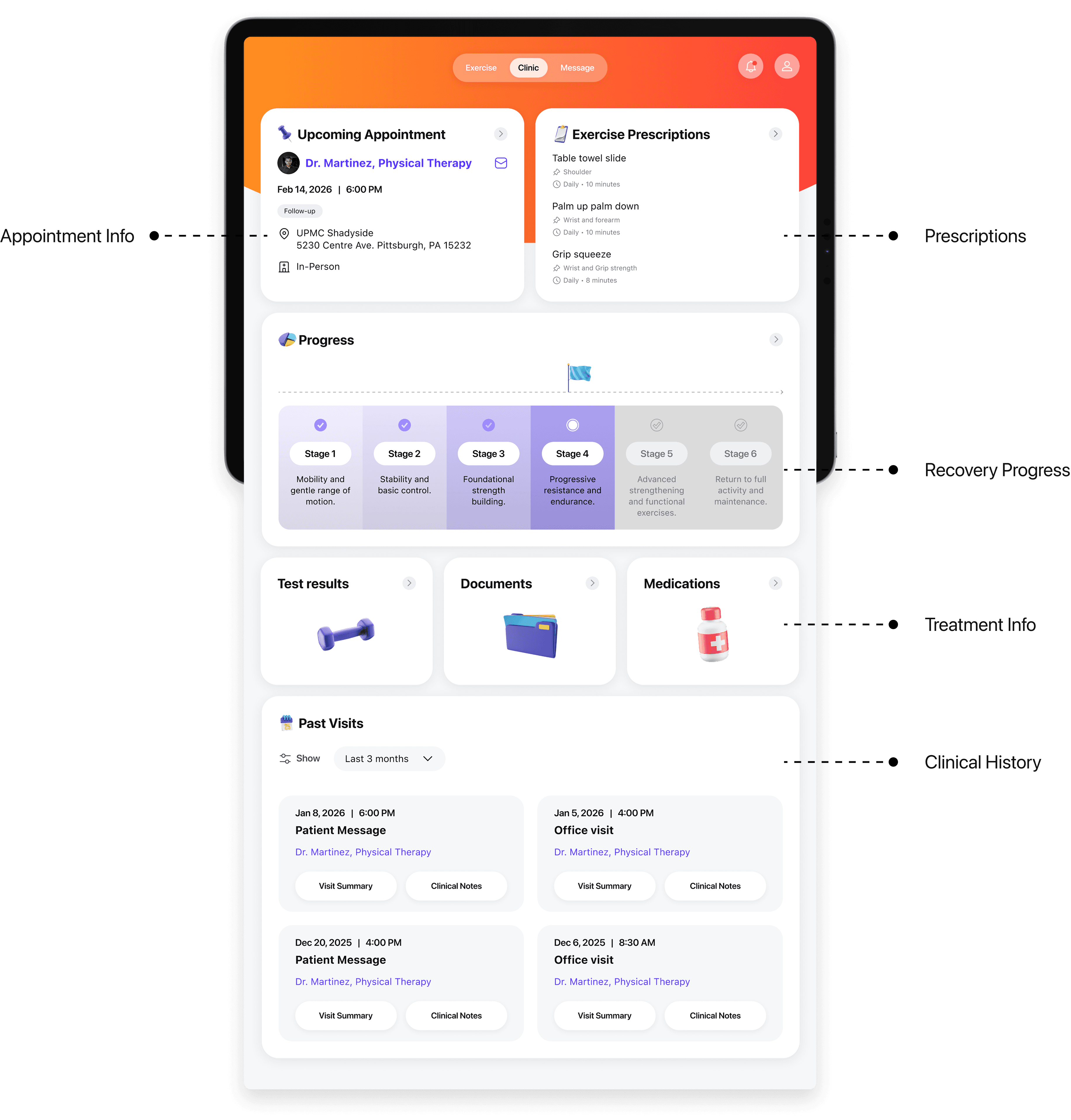
Our core features covers mini games, exercise reports, and providers prescription.
We incorporated Interaction design principles covering Interesting, Supportive, and Professional concepts within our service.
Our core features covers mini games, exercise reports, and providers prescription.
We incorporated Interaction design principles covering Interesting, Supportive, and Professional concepts within our service.
Mini games
Mini games
Exercise
reports
Exercise
reports
Provider’s
prescription
Provider’s
prescription
System Overview
System Overview
Applying Screen Device Considerations around Accessibility and Business Perspective
Applying Screen Device Considerations around Accessibility and Business Perspective
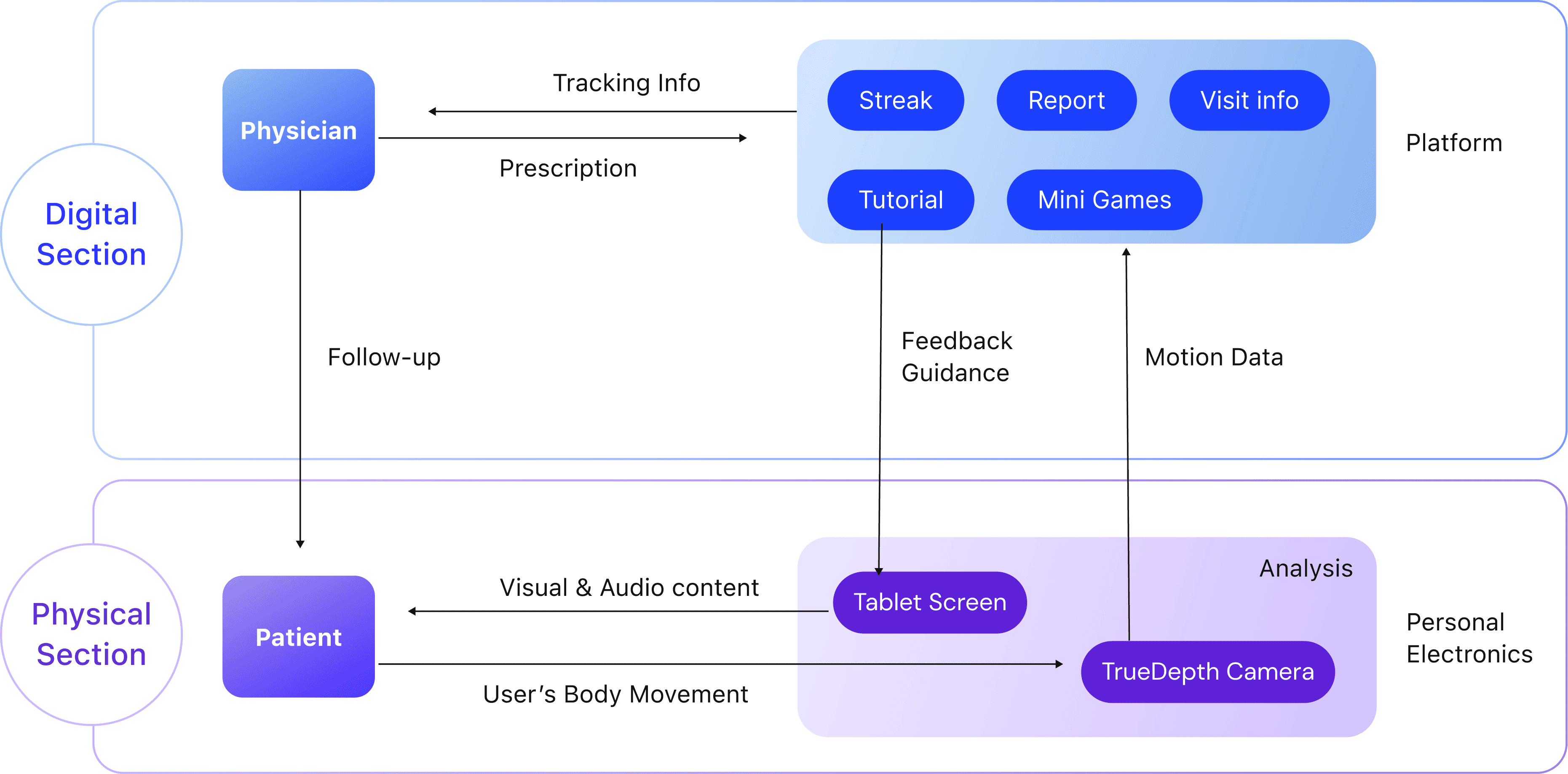
Physical Section
The patient follows exercise guides on the screen while the TrueDepth camera tracks their movements.
Digital Section
Their movement data controls mini-games that give instant feedback. After each game, progress is sent to the doctor, who chooses the next games.
Physical Section
The patient follows exercise guides on the screen while the TrueDepth camera tracks their movements.
Digital Section
Their movement data controls mini-games that give instant feedback. After each game, progress is sent to the doctor, who chooses the next games.
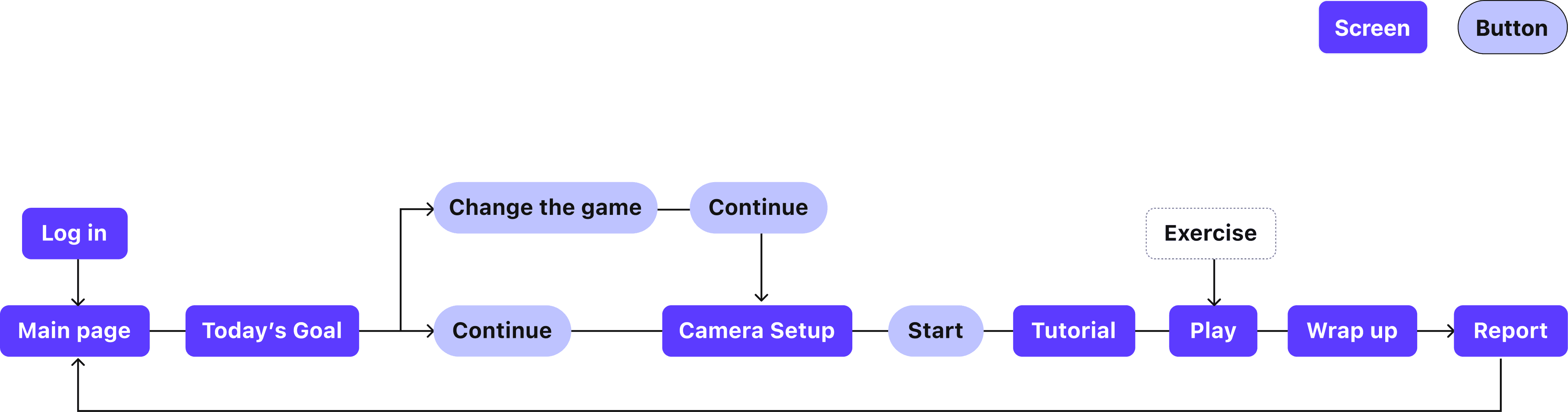
User flow
User flow
Exercise That Doesn’t Feel like Exercise.
Exercise That Doesn’t Feel like Exercise.
The user journey includes: checking daily goals, choosing a game, watching the tutorial, training with mini-games, and reviewing the report.
The user journey includes: checking daily goals, choosing a game, watching the tutorial, training with mini-games, and reviewing the report.
Motivation Drivers
Motivation Drivers
Mini Game Example: Muscular Cupcake
Mini Game Example: Muscular Cupcake
In our interviews, rehabilitation users expressed a stronger desire to return to everyday activities rather than perform isolated clinical exercises. This created an opportunity to design rehabilitation experiences rooted in familiar daily activities, using themed mini-games (e.g., baking, playing sports, gardening, etc) to translate therapeutic movements into real-world goals.
In our interviews, rehabilitation users expressed a stronger desire to return to everyday activities rather than perform isolated clinical exercises. This created an opportunity to design rehabilitation experiences rooted in familiar daily activities, using themed mini-games (e.g., baking, playing sports, gardening, etc) to translate therapeutic movements into real-world goals.
“I wanted to go back to my everyday hobbies like baking.”
- Timothy (Patient)
“I wanted to go back to my everyday hobbies like baking.”
- Timothy (Patient)

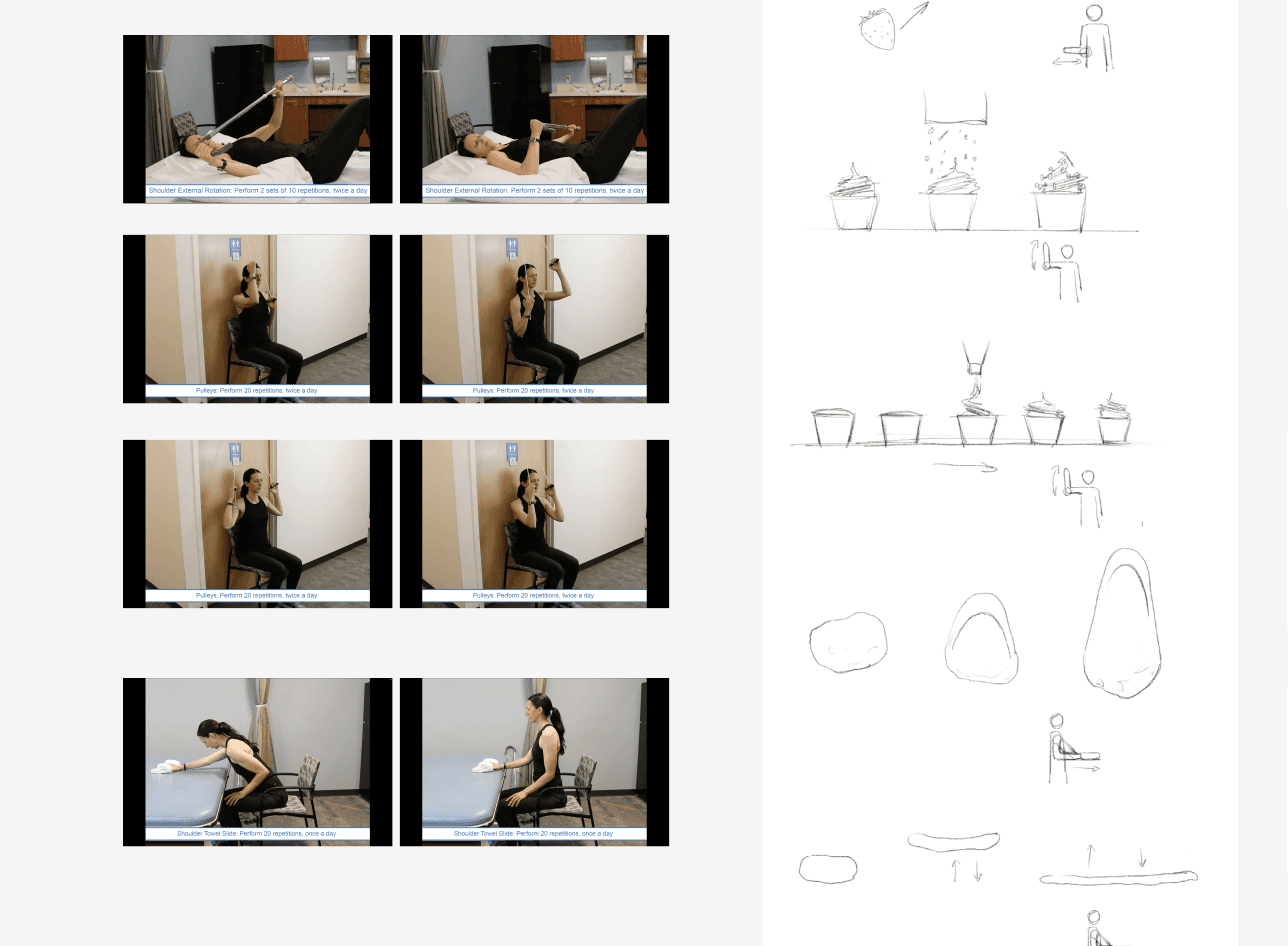
We designed Mini Game body movement based on professional rehabilitation exercises
We designed Mini Game body movement based on professional rehabilitation exercises
Prototyping with Vibe Coding
Prototyping with Vibe Coding
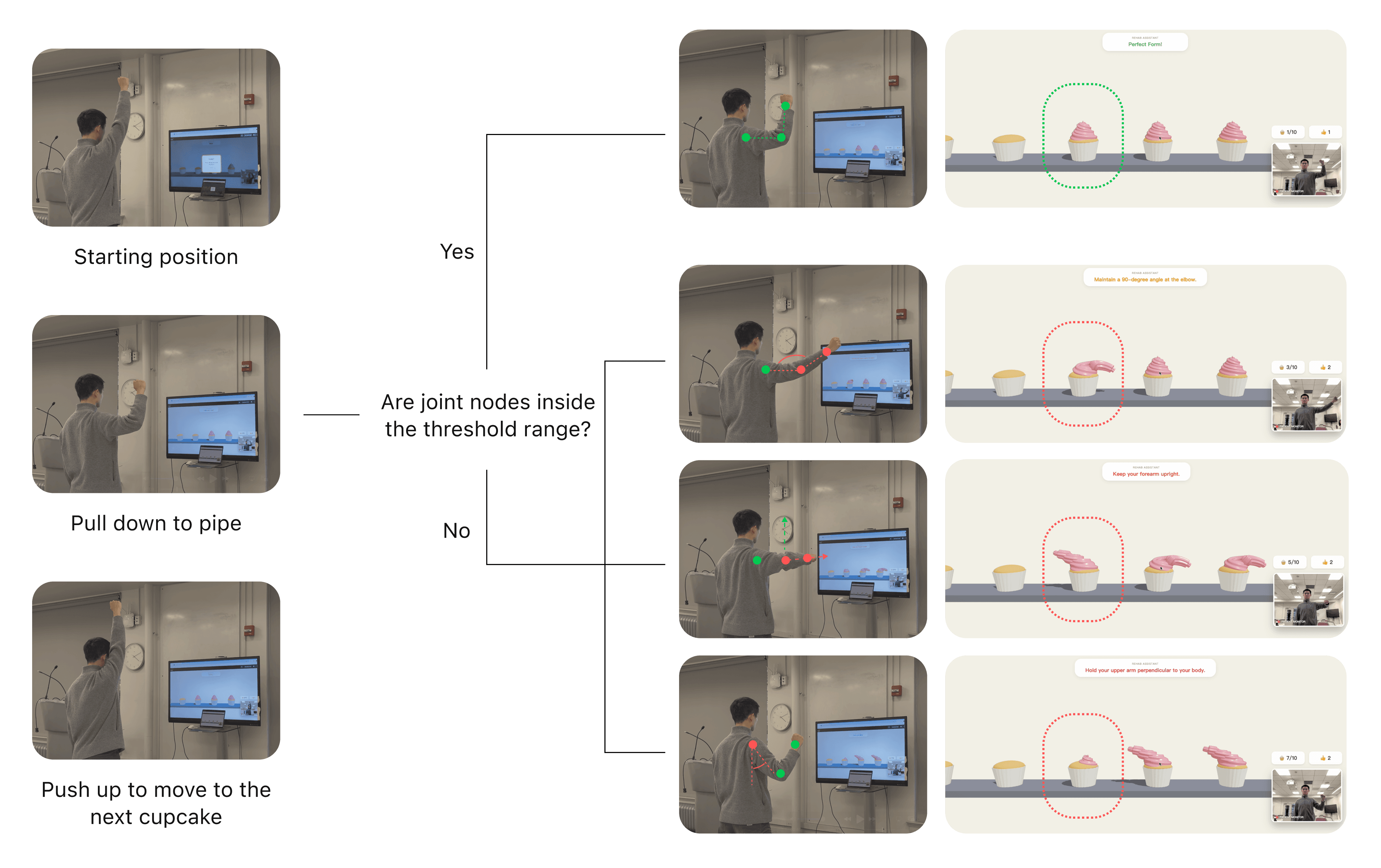
How does the interactive game work?
How does the interactive game work?
This diagram shows how mini-games translate physical movements into game actions, using cupcake making game as an example.
This direct link between movement and animation makes therapy feel more engaging and easier to understand than numbers or charts.
This diagram shows how mini-games translate physical movements into game actions, using cupcake making game as an example.
This direct link between movement and animation makes therapy feel more engaging and easier to understand than numbers or charts.
Concept Development
Concept Development
UI design and Iteration
UI design and Iteration
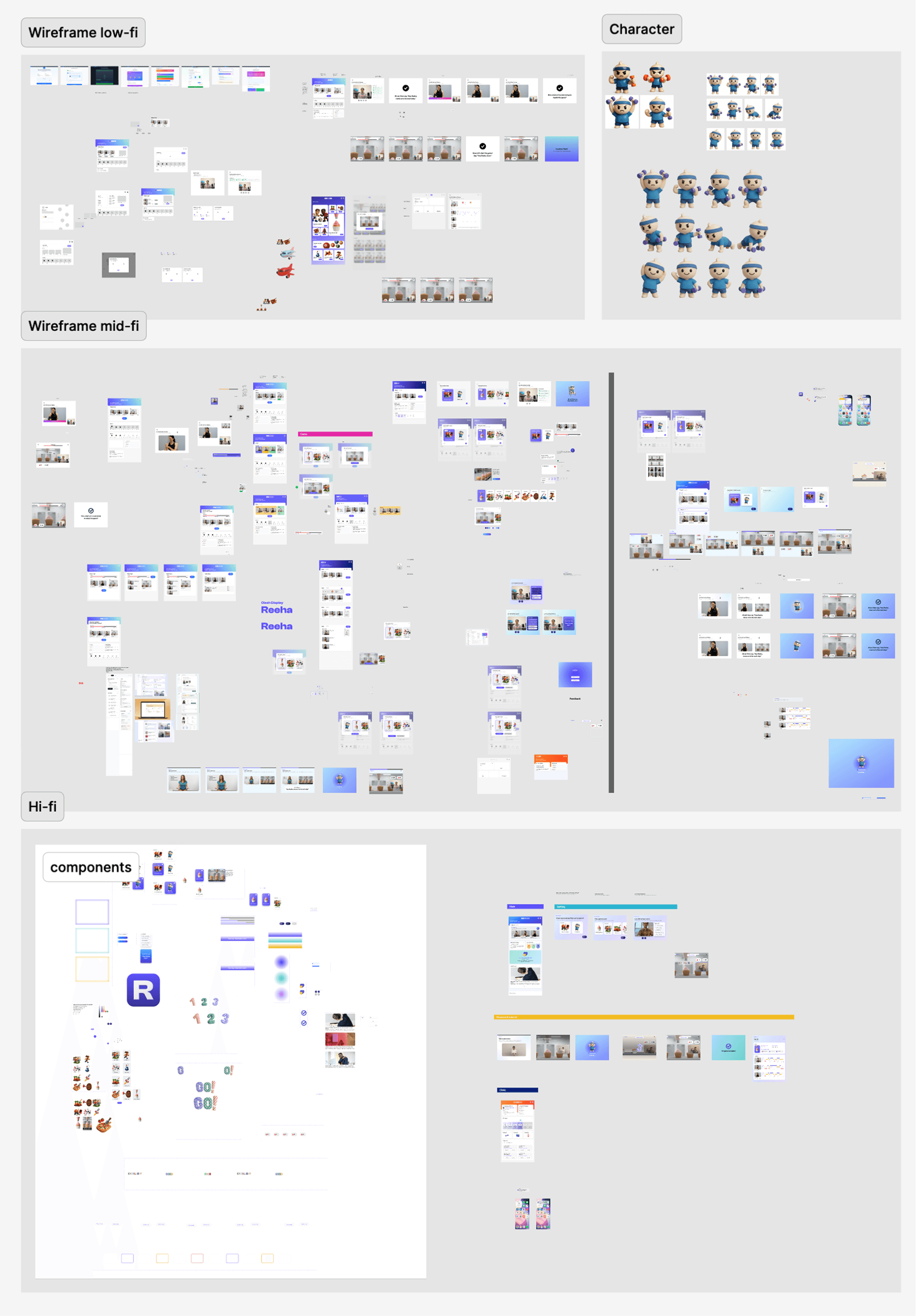
Ongoing user testing informed each iteration, guiding decisions around readability, accessibility, and experiential clarity from low- to high-fidelity prototypes.
Ongoing user testing informed each iteration, guiding decisions around readability, accessibility, and experiential clarity from low- to high-fidelity prototypes.
Key Iteration
Key Iteration
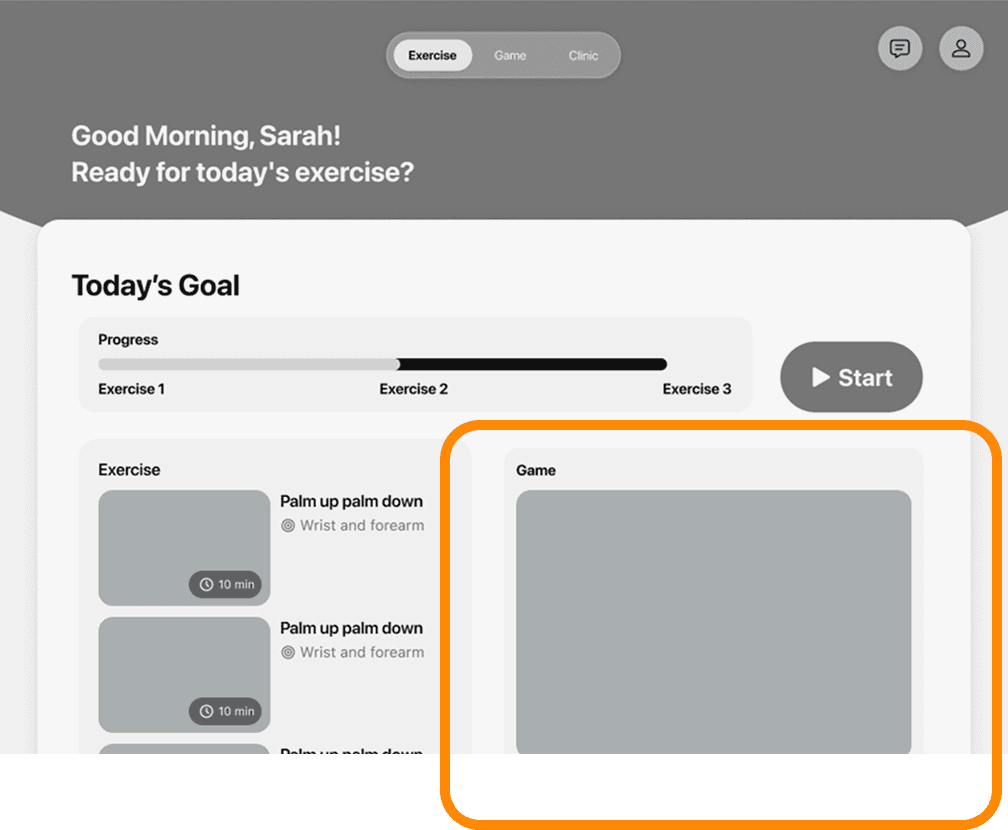
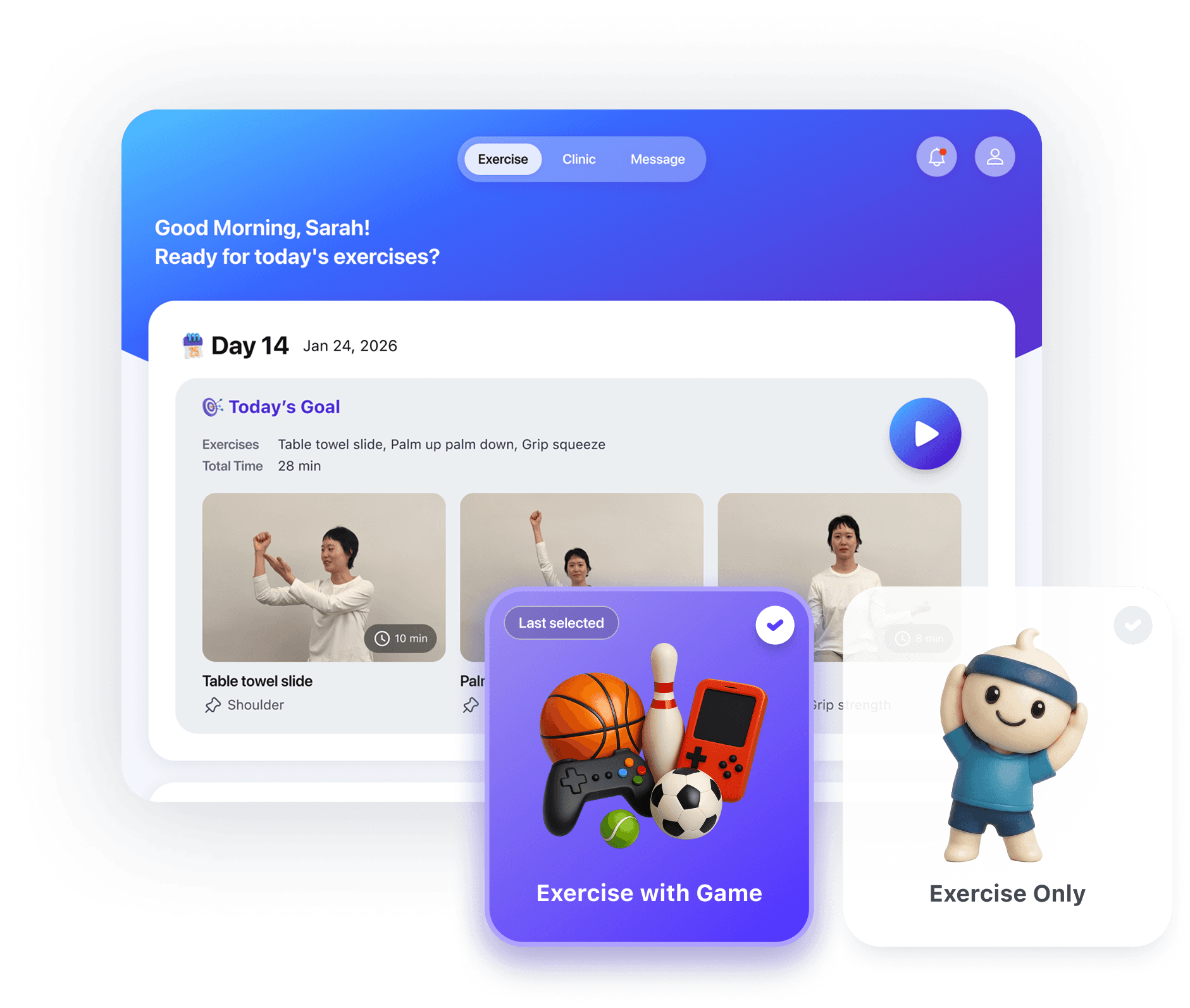
Training First, Play When Ready
Training First, Play When Ready
We found that beginners and experienced users preference in practicing. We moved game selection to a secondary layer and gave users two clear options: exercise only or exercise with game.
This iteration better supports users at different stages of familiarity and helps training feel more intentional and flexible.
Key Iteration
Key Iteration
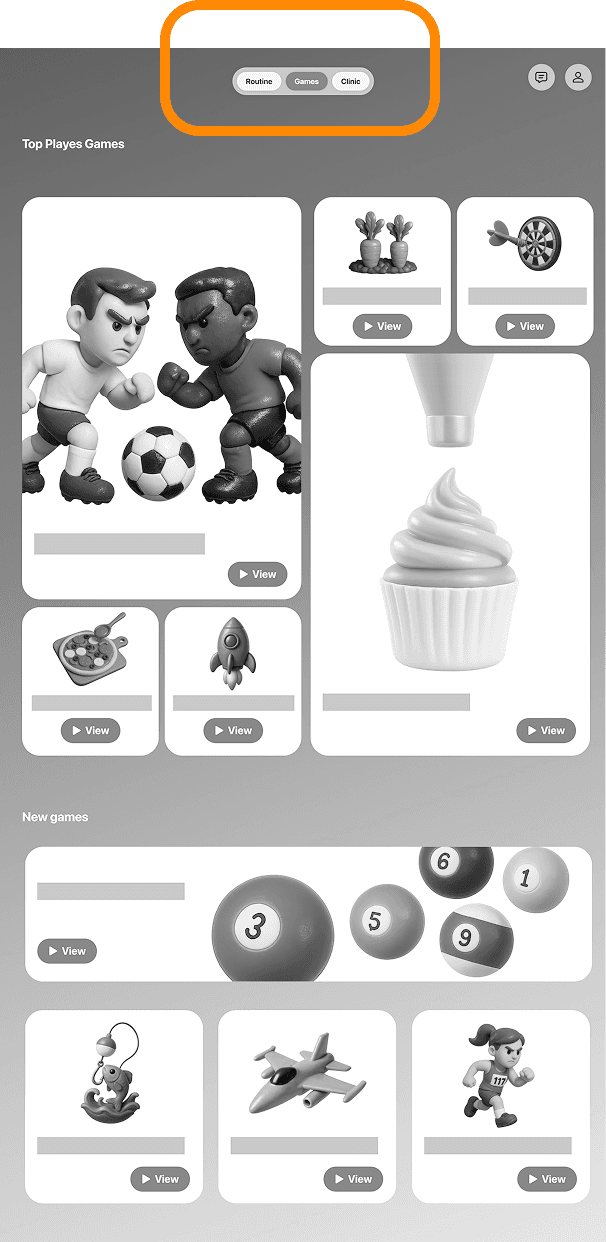
Balancing Professionalism and Connection.
Balancing Professionalism and Connection.
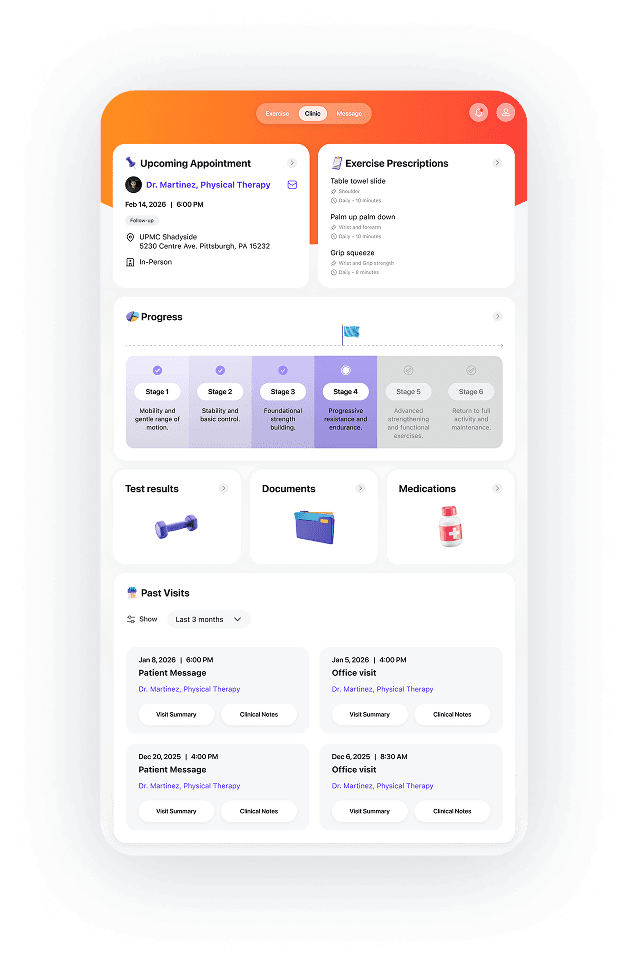
User feedback showed that too much emphasis on games made the product feel less professional and raised concerns about clinical credibility.
We restructured the information architecture by lightening the presence of games, while bringing Clinic and Message to the primary navigation. This allowed users to focus on progress, appointments, and communication first.
Key Iteration
Key Iteration
Real-Time Instruction for Perfecting Form.
Real-Time Instruction for Perfecting Form.
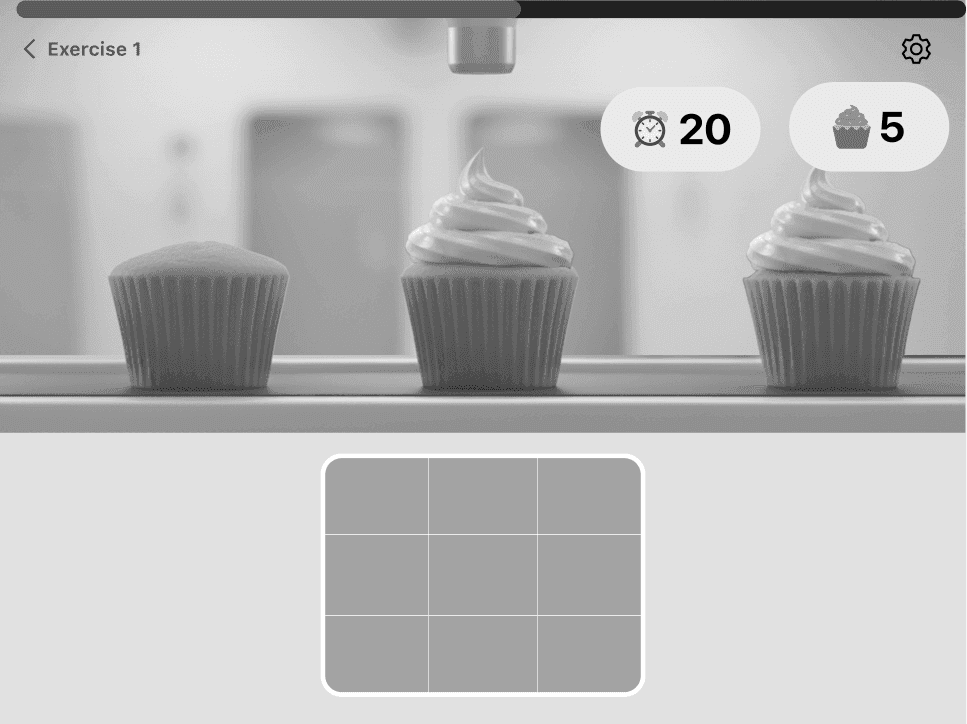
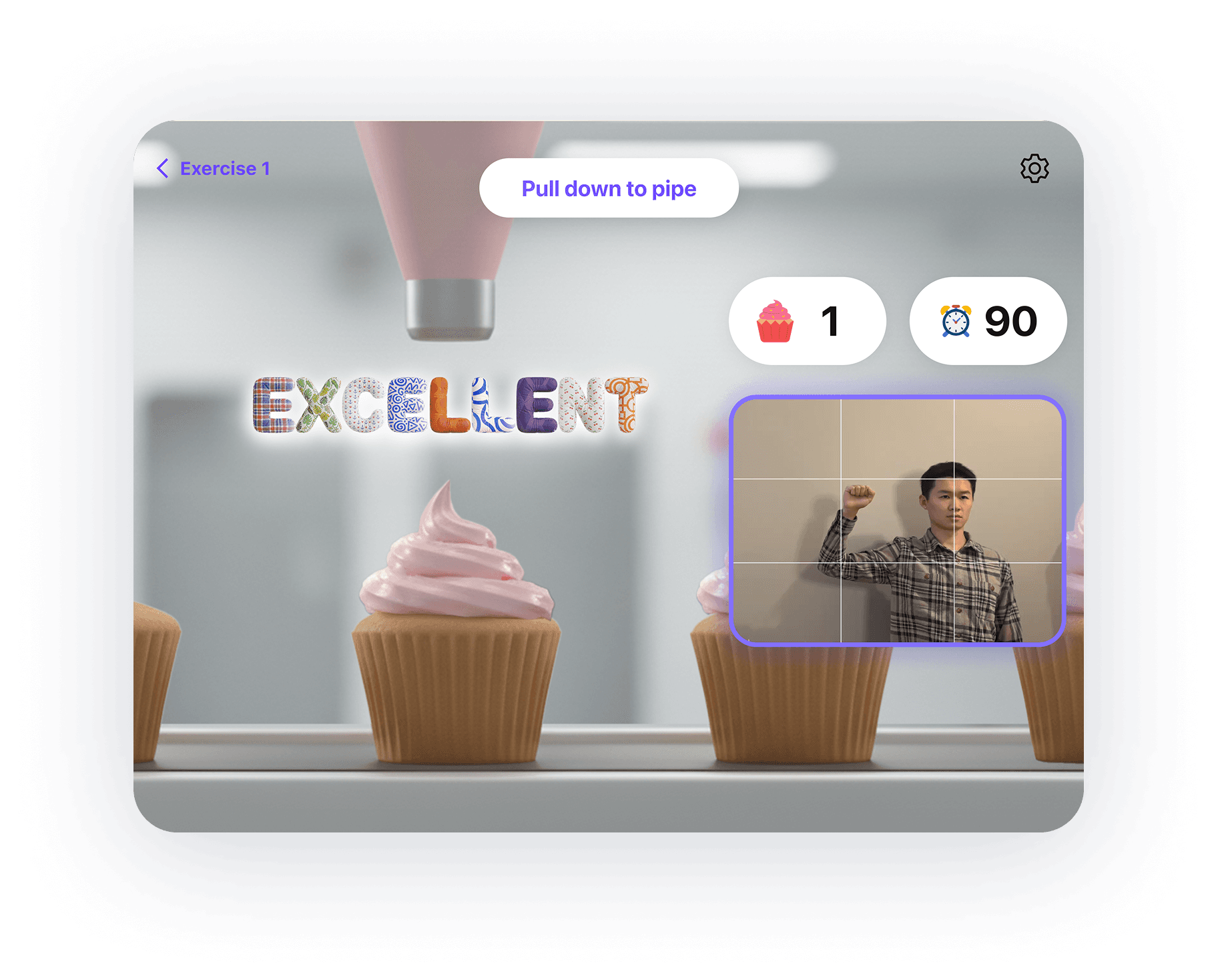
Multiple users said they want to know how to fix their movement while they were still performing it.
We redesigned the interaction to shift from passive feedback to active guidance.
This change better supports learning, reduces frustration, and aligns with our rehab goal of helping users practice safely and confidently at home.
Validation & Outcome
Validation & Outcome
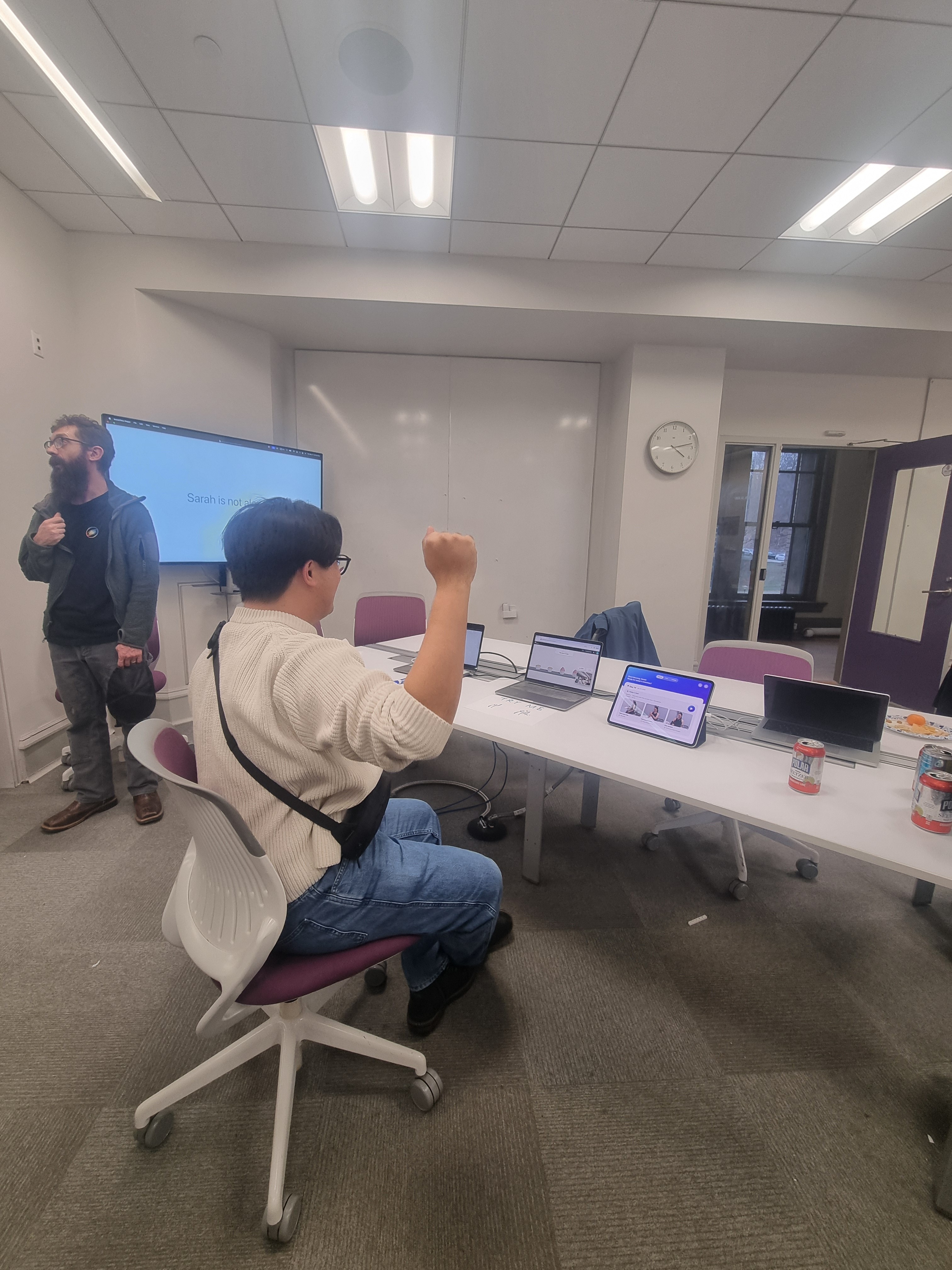
Interactive Product Design Launch Exhibition
Interactive Product Design Launch Exhibition
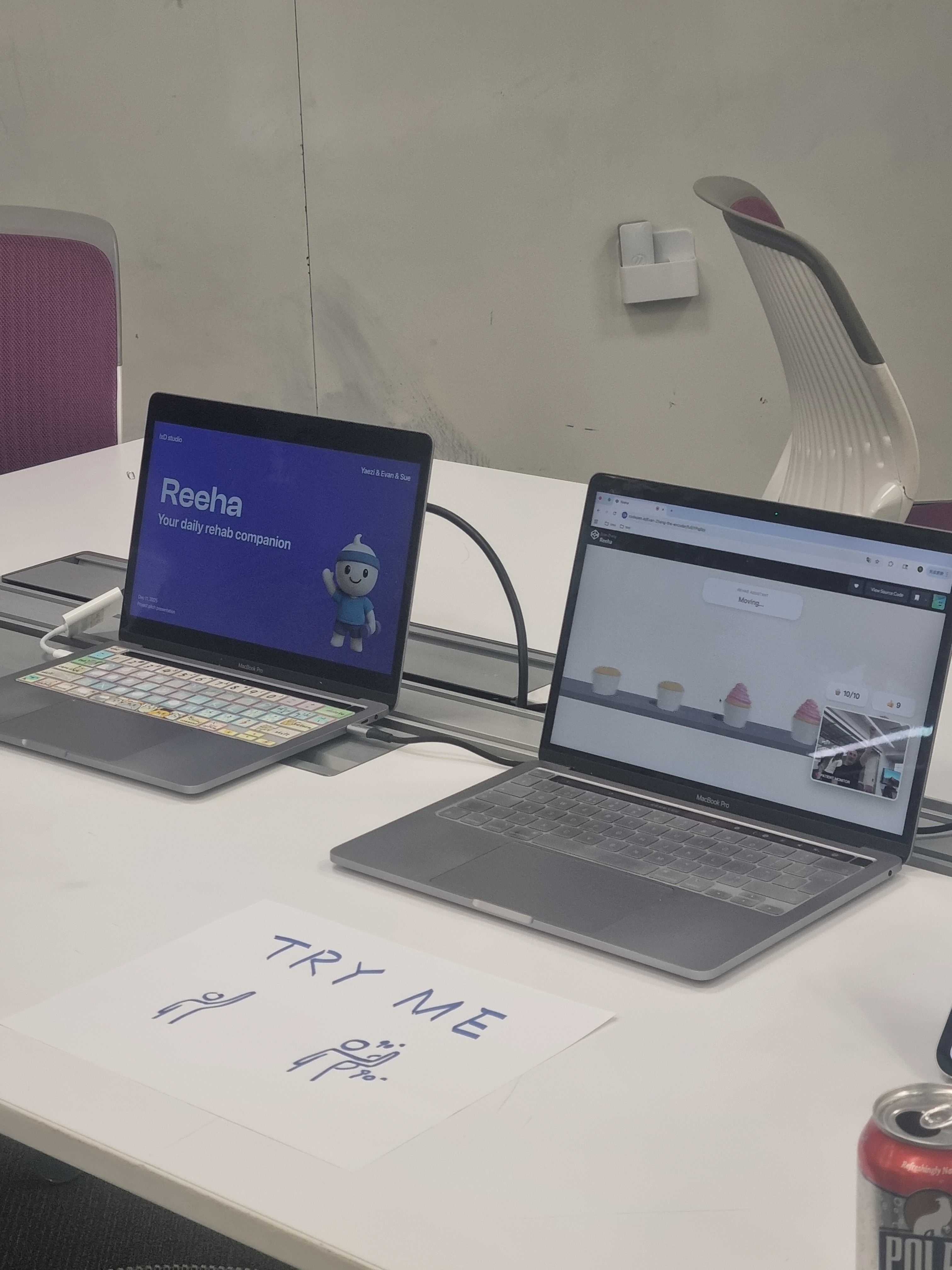
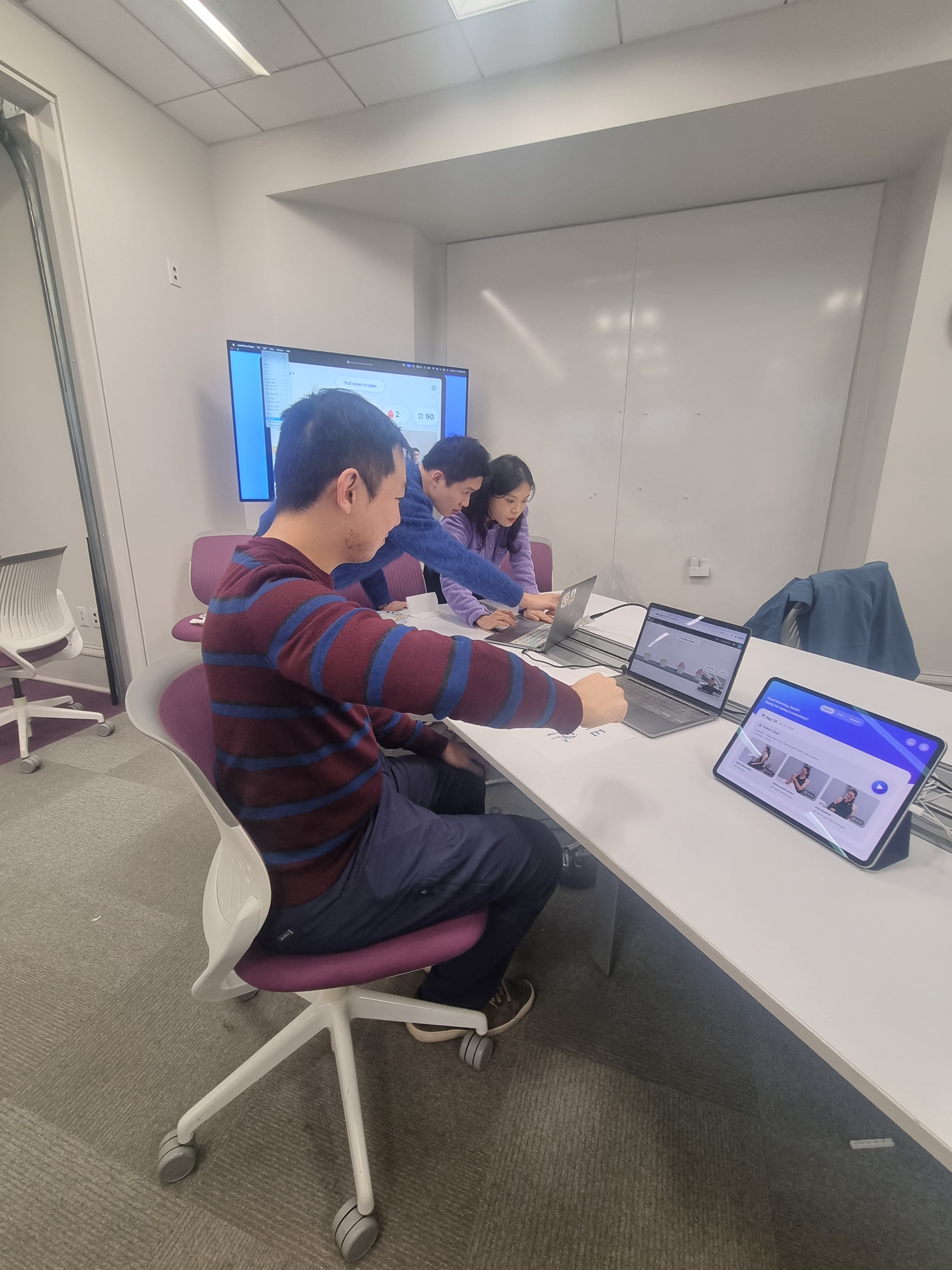
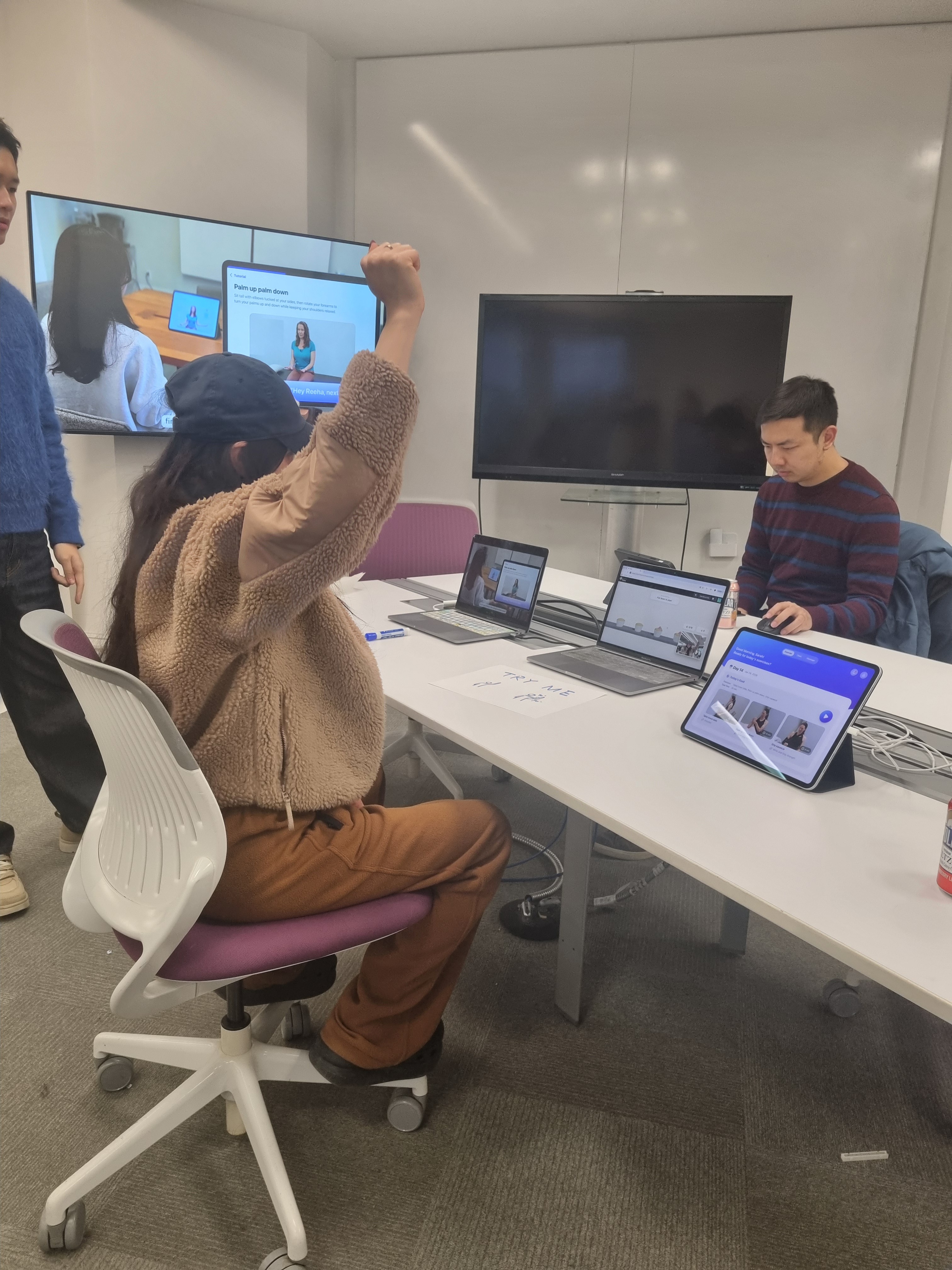
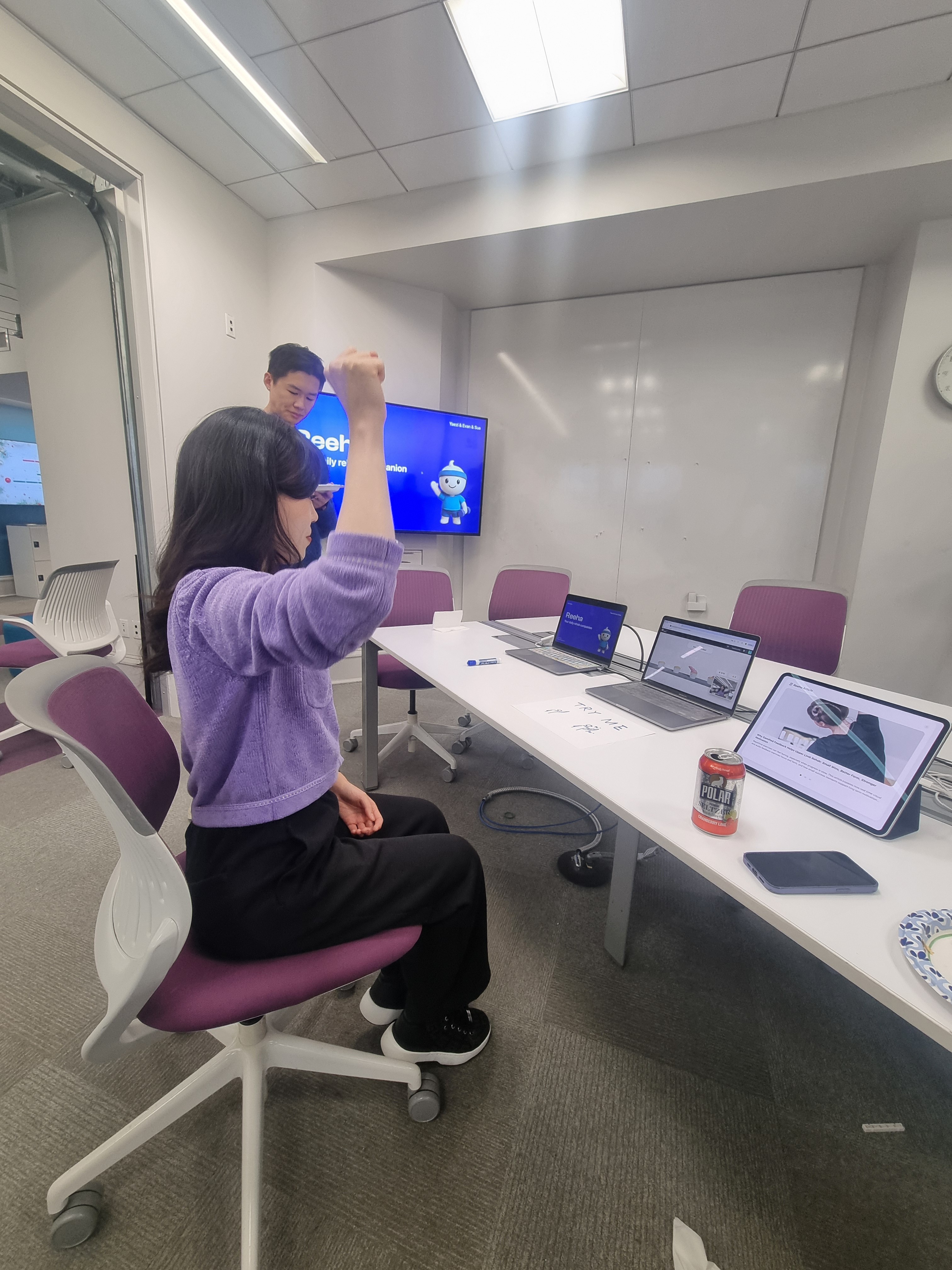
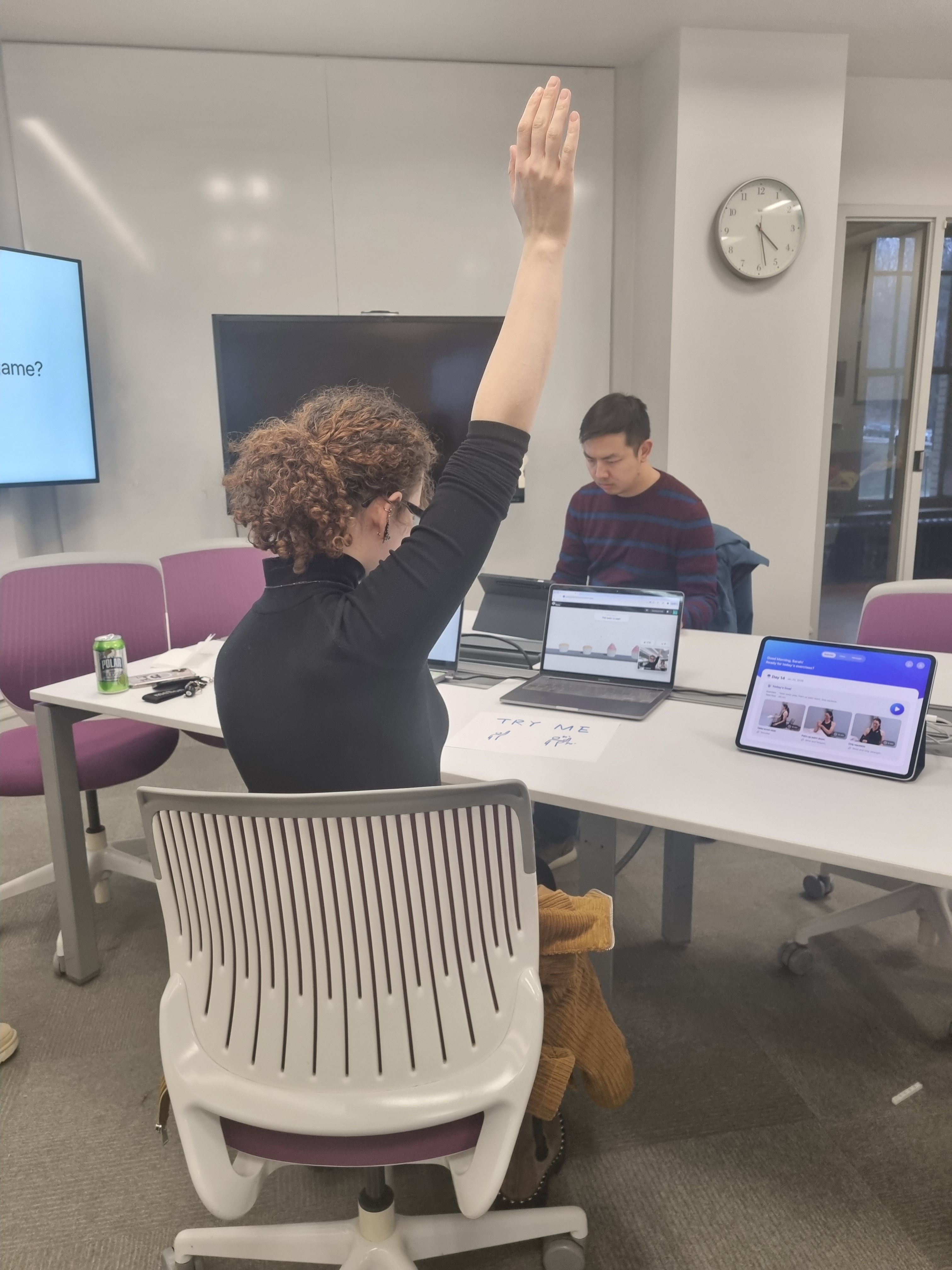
In the final phase of the project, we invited participants with different backgrounds to try the prototype. The feedback was consistently positive. Many participants noted that the game-based approach made the experience feel more engaging and enjoyable.
In the final phase of the project, we invited participants with different backgrounds to try the prototype. The feedback was consistently positive. Many participants noted that the game-based approach made the experience feel more engaging and enjoyable.
Importance of Reeha
Importance of Reeha
The Value of Reeha
The Value of Reeha
Our contribution is a clinically grounded interaction framework that helps designers and researchers create home rehabilitation systems that patients feel confident using and clinicians feel comfortable supporting over time.
Our contribution is a clinically grounded interaction framework that helps designers and researchers create home rehabilitation systems that patients feel confident using and clinicians feel comfortable supporting over time.
Offers Real-Time
Guidance and Feedback
Focused Support for
Upper-Limb Recovery
Restores
Everyday Independence
People love it!
Acknowledgments
We thank all the participants that participated in our user and expert interviews. We are appreciative for our Carnegie Mellon University graduate professors and cohorts who supported our procress through feedback and critique.
Technical Advisor
Shemona Singh
Expert Interview
Anne Marie Sweeney OT, Jared Todorowski PT, Justin Berthold DO, and Lindsay Lehman PT